novaheights
It is a common corporate paradox: a project backed by a “perfect” plan and a well-structured roadmap fails to deliver results. In many cases, these initiatives do not fail due to a lack of technical merit, but because they encounter an unforeseen “wall of resistance” during implementation.
Analysis of large-scale reform initiatives shows that progress is often stalled not by a lack of resources, but by a failure to account for the human element. What leadership perceives as an objective “step toward progress,” the workforce may interpret as a direct threat to their established operational norms.
The “Threat” of Progress
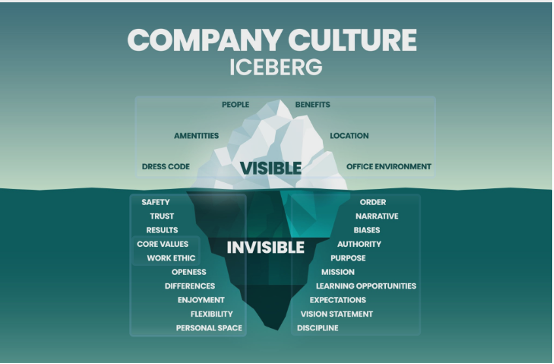
Strategy serves as the skeletal framework of an organisation, but culture is the lifeblood that makes it function. When a strategic shift ignores the existing cultural fabric, the inherent fear of losing status, job security, or routine comfort can ignite a backlash powerful enough to destabilise the most comprehensive reform.
Whale design- Getty images
Ignoring these dynamics creates a high-risk environment where staff are not merely indifferent to change, but are actively incentivised to push back against it. For a transformation to be sustainable, it must move beyond the “skeleton” of a plan and address the underlying cultural realities.
From Mandates to Co-Creation
Effective organisational consulting requires a shift in focus from purely technical processes to the people who operate them. Transformation occurs when the narrative moves from a “Top-Down Mandate” to a “Co-Created Solution.”
By engaging team members to understand their daily challenges and unspoken norms, organisations can shift the internal dynamic from “Us vs. Them” to a unified “Together We Can” approach. Validating the lived experiences of the workforce is a prerequisite for successful strategic execution.
The Pilot Strategy: Building Stakeholder Ownership
A proven methodology for overcoming resistance is the move from mandates to pilot programs. For instance, when implementing a new digital platform or streamlining an internal process, a “Co-Creation” model involves:
Identifying Influential Users: Inviting key staff members from various levels of the hierarchy to pilot the project.
Facilitating Feedback Loops: Allowing users to identify flaws and offer improvements before a full-scale rollout.
Establishing Ownership: Ensuring participants feel like architects of the change rather than victims of it.
This approach transforms potential detractors into internal advocates for the new system.
The Truth About Transformation
Successful organisational reform must be rooted in the cultural realities of the people it impacts. Disregarding these dynamics risks disenfranchising the very individuals an organisation aims to empower. Whether in a private firm or a public sector body, the path to sustainable success is built on a foundation of collaboration and strategic empathy.
Conclusion: Turning Resistance into Momentum
Accounting for cultural dynamics is the primary differentiator between a project that remains a conceptual success and one that achieves lasting operational impact.
At NovaHeights, the focus extends beyond building strategies; we develop the cultural buy-in necessary for those strategies to yield a high Return on Investment (ROI).
Is your organisation experiencing resistance to necessary change? Let’s discuss how to bridge the gap between your strategy and your culture.